Case Study 7

Human-Centric Institutional Communication Systems

Human-Centric Institutional Communication Systems

Human-Centric Institutional Communication Systems

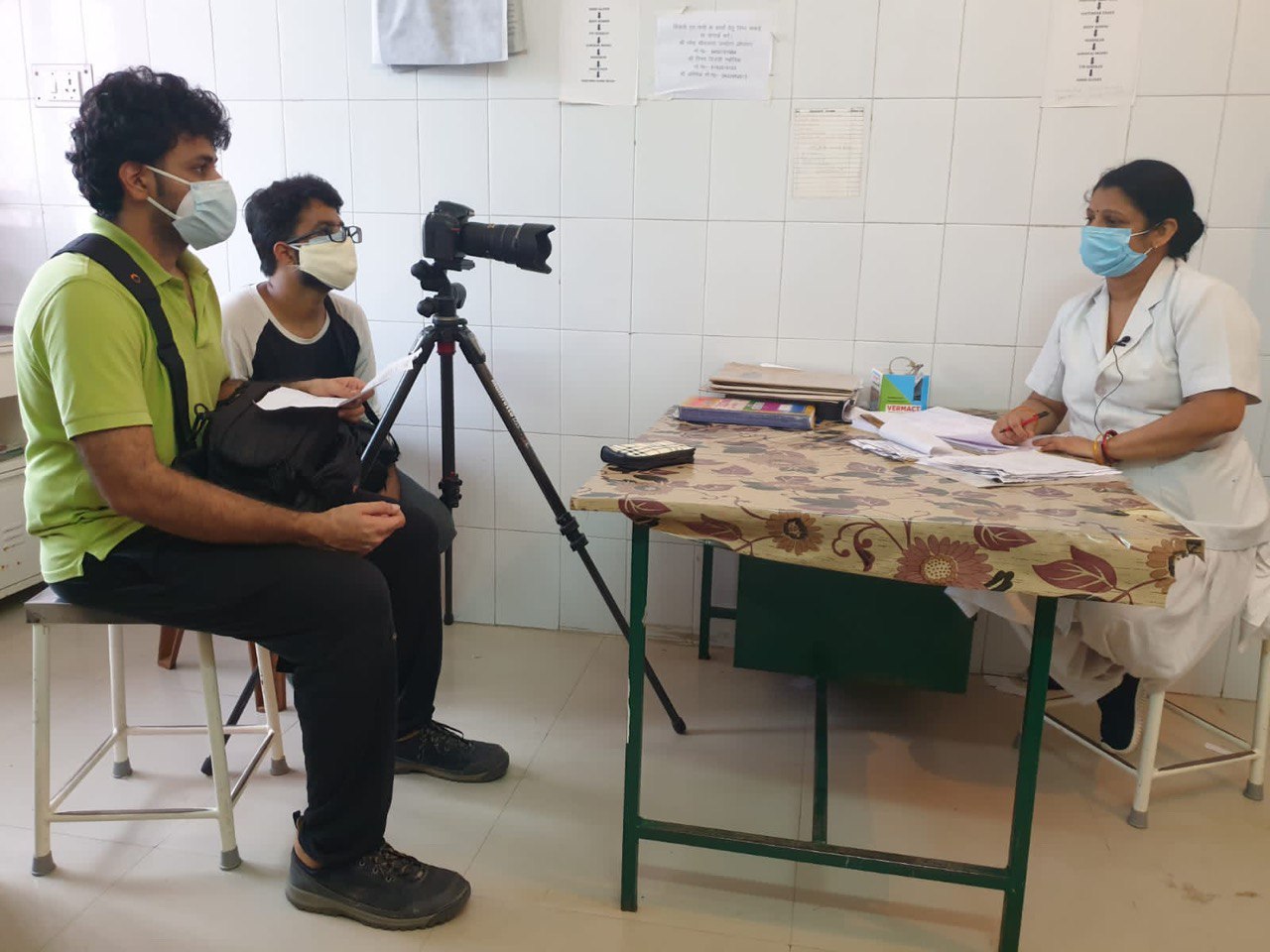
M’Studio was engaged across three human-focused institutional assignments requiring on-ground documentation inside live public systems already in motion.


M’Studio was engaged across three human-focused institutional assignments requiring on-ground documentation inside live public systems already in motion.


CLIENT

Little Black

YEAR

Little Black

SERVICE

Little Black

ROLE

Little Black

Challange:

Challange:

  1. Despite different mandates, the field realities shared similar constraints.

•⁠ ⁠Movement permissions and inter-district travel during COVID lockdown

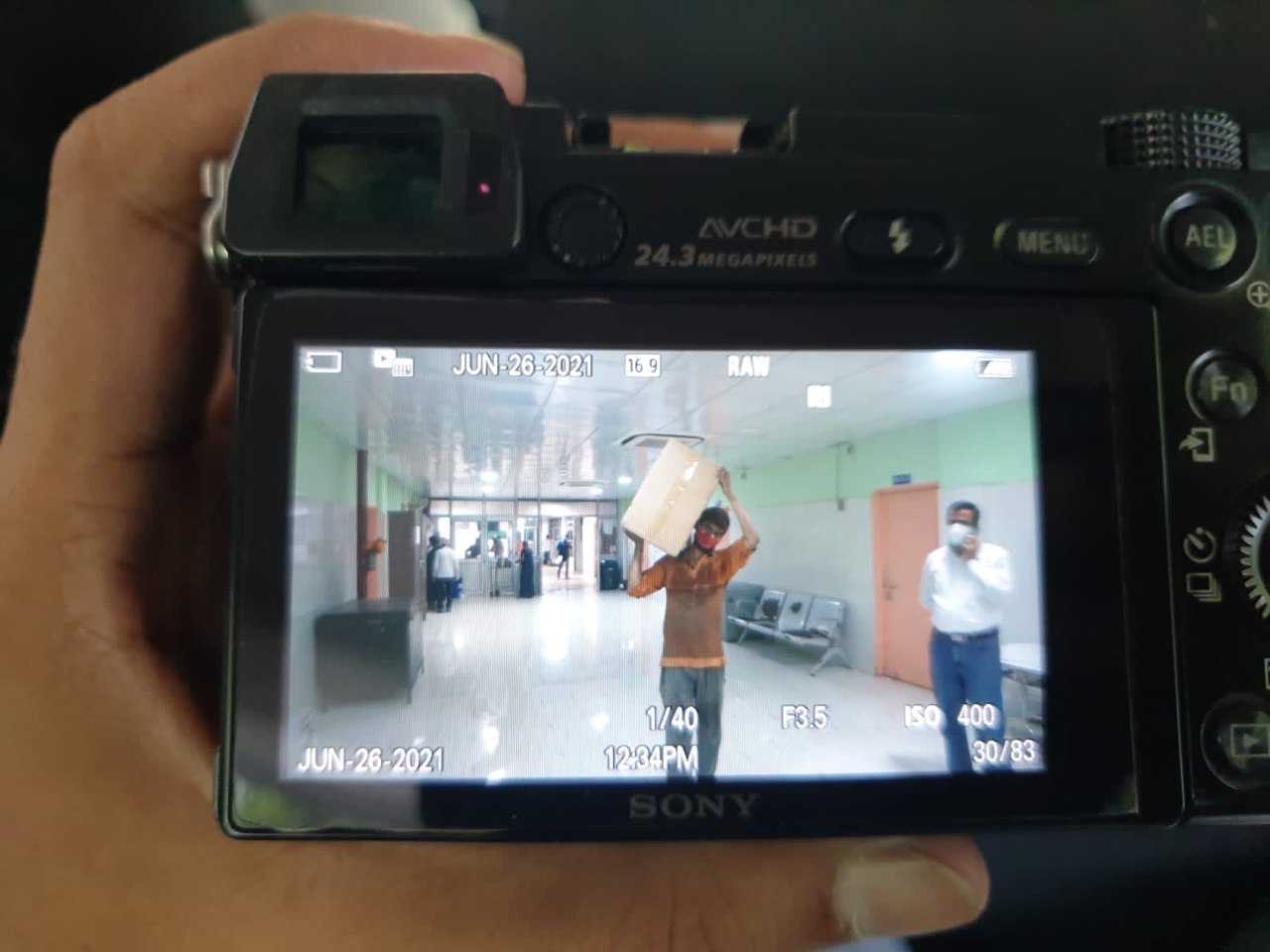
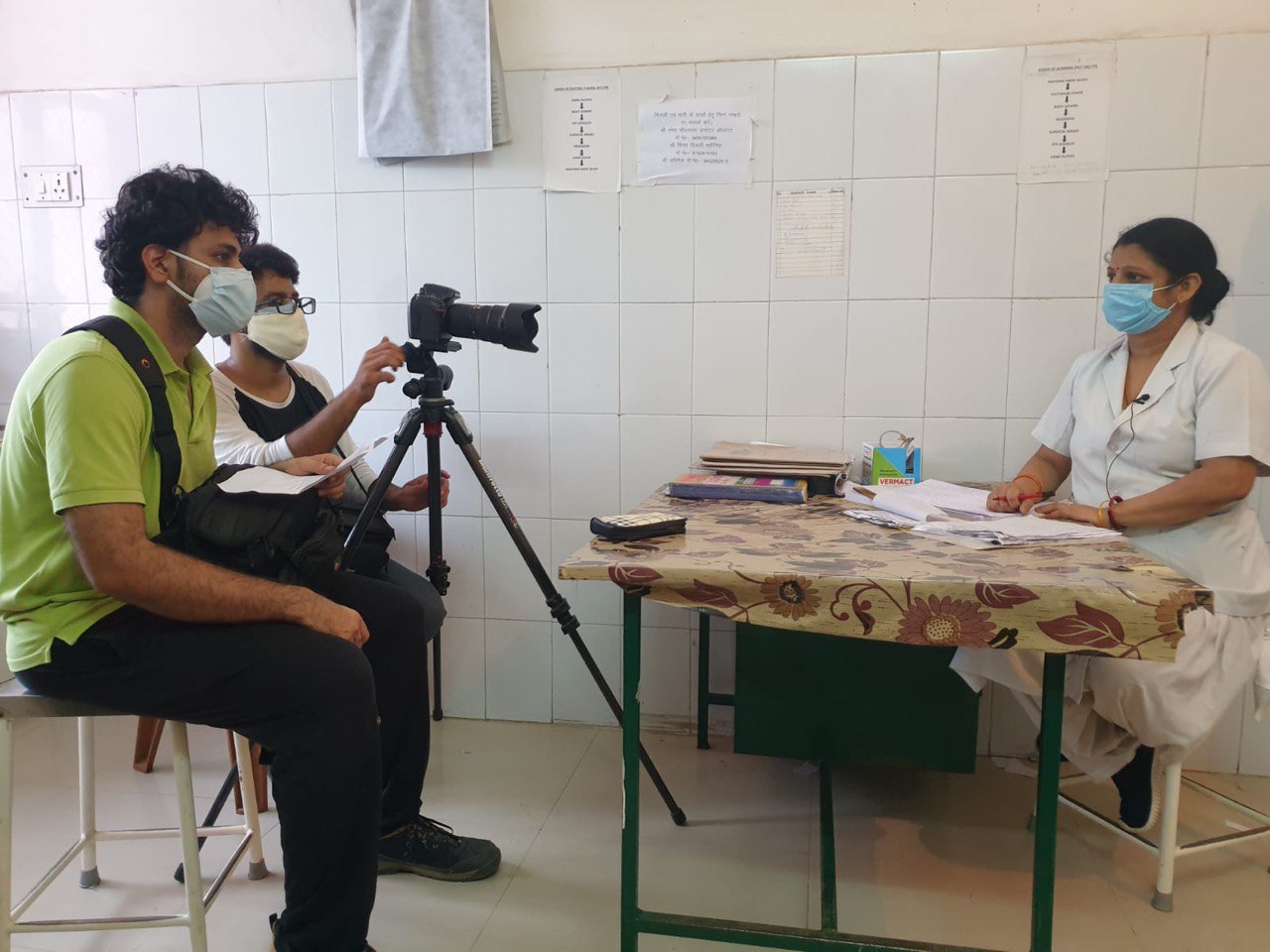
•⁠ ⁠Active government hospital environments with limited shooting windows

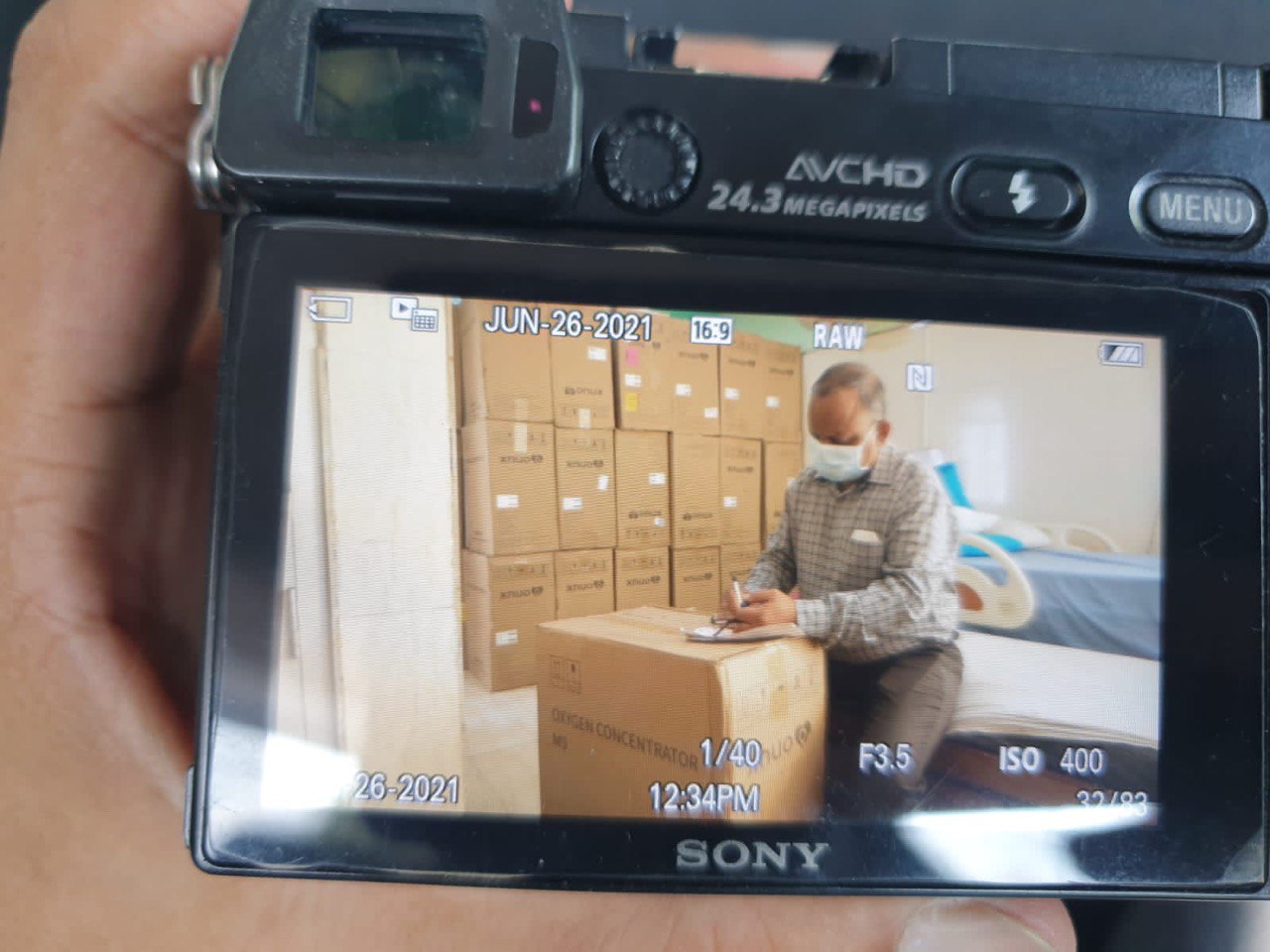
•⁠ ⁠Tight coordination with oxygen generator delivery partners and medical staff

•⁠ ⁠Budget-bound rural production with subject availability tied to real schedules

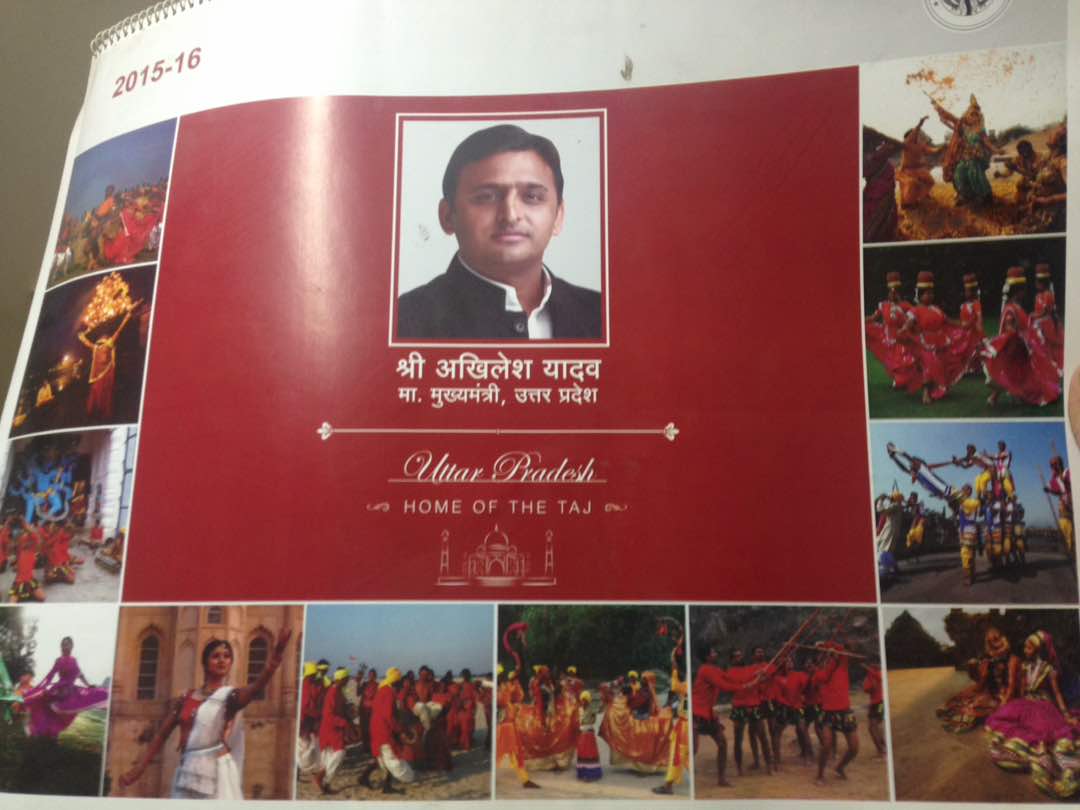
•⁠ ⁠Multi-location cultural coverage with uneven local coordination

•⁠ ⁠Basic transport dependencies across districts

  1. Field consequence: access windows were often fluid, and missed timing typically meant waiting for the next operational cycle rather than requesting a reset.

  2. In each case, access was conditional and timing externally driven. The work required maintaining subject comfort and institutional accuracy within narrow, often shifting windows.


  1. Despite different mandates, the field realities shared similar constraints.

•⁠ ⁠Movement permissions and inter-district travel during COVID lockdown

•⁠ ⁠Active government hospital environments with limited shooting windows

•⁠ ⁠Tight coordination with oxygen generator delivery partners and medical staff

•⁠ ⁠Budget-bound rural production with subject availability tied to real schedules

•⁠ ⁠Multi-location cultural coverage with uneven local coordination

•⁠ ⁠Basic transport dependencies across districts

  1. Field consequence: access windows were often fluid, and missed timing typically meant waiting for the next operational cycle rather than requesting a reset.

  2. In each case, access was conditional and timing externally driven. The work required maintaining subject comfort and institutional accuracy within narrow, often shifting windows.


Approach

Approach

  1. Each assignment was structured as a low-footprint field operation designed to function within live conditions rather than around them.

  2. The operating method prioritised:

•⁠ ⁠Advance alignment with institutional and on-ground stakeholders

•⁠ ⁠Lean crew deployment suited to sensitive locations

•⁠ ⁠Interview capture structured for clarity and credibility

•⁠ ⁠Cultural framing that respected performance authenticity

•⁠ ⁠Flexible routing to accommodate shifting field schedules

•⁠ ⁠Shot discipline to minimise dependence on repeat access

  1. The intent was to remain operationally unobtrusive while ensuring the material met institutional communication requirements.

  1. Each assignment was structured as a low-footprint field operation designed to function within live conditions rather than around them.

  2. The operating method prioritised:

•⁠ ⁠Advance alignment with institutional and on-ground stakeholders

•⁠ ⁠Lean crew deployment suited to sensitive locations

•⁠ ⁠Interview capture structured for clarity and credibility

•⁠ ⁠Cultural framing that respected performance authenticity

•⁠ ⁠Flexible routing to accommodate shifting field schedules

•⁠ ⁠Shot discipline to minimise dependence on repeat access

  1. The intent was to remain operationally unobtrusive while ensuring the material met institutional communication requirements.

Crown Agents

Crown Agents

UP Government Calendar

UP Government Calendar

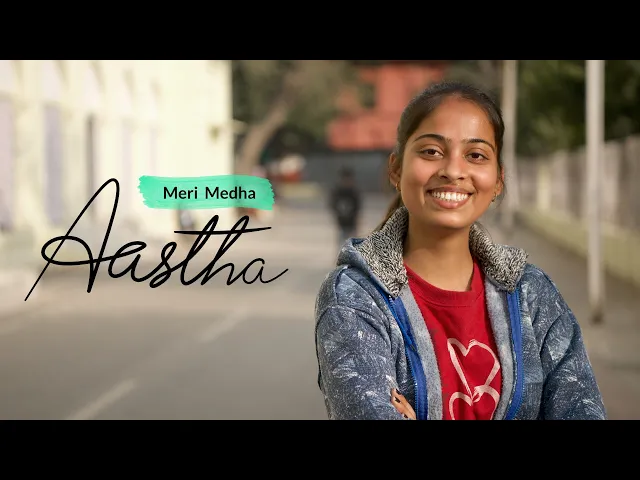
Meri Medha

Meri Medha

Execution


Execution


  1. Cold ambient temperatures

  2. Clear skies

  3. Stable natural light

  4. Environmental timing was treated as a controlled production variable.

  5. This enhanced:

  6. Vapor definition during distillation

  7. Surface contrast across copper stills and metallic systems

  8. Atmospheric depth within maturation areas

  9. Predictable exposure behavior in mixed-light zones

  10. Rather than forcing light into the system, the system was documented under optimal natural conditions.

  11. Operational Framework

  12. All work was executed inside an active distillery under strict regulatory conditions.
  1. Cold ambient temperatures

  2. Clear skies

  3. Stable natural light

  4. Environmental timing was treated as a controlled production variable.

  5. This enhanced:

  6. Vapor definition during distillation

  7. Surface contrast across copper stills and metallic systems

  8. Atmospheric depth within maturation areas

  9. Predictable exposure behavior in mixed-light zones

  10. Rather than forcing light into the system, the system was documented under optimal natural conditions.

  11. Operational Framework

  12. All work was executed inside an active distillery under strict regulatory conditions.