Home
Works
Contact Us
About Us
Home
Works
Contact Us
About Us
Case Study 5
When Production Cannot Pause Twice Structured Documentation of a 13-Day System Transition German Automotive OEM | Pune
When the Environment Shifts Daily | Stability Under Public Scrutiny |Lok Sabha Constituency |Jhansi, Uttar Pradesh
A 13-day industrial shutdown inside a German automotive OEM facility in Pune.
Paint Shop Primer and Clear Coat lines. Complete robotic system replacement.
CLIENT
Little Black
YEAR
Little Black
SERVICE
Little Black
ROLE
Little Black
It was a full-system transition involving:
Robotic extraction and replacement
Structural and foundational modification
Software integration
Body teaching and programming
Calibration and validation
Production ramp-up
The window would not repeat.
Production continuity depended on it.
Robotic extraction and replacement
Structural and foundational modification
Software integration
Body teaching and programming
Calibration and validation
Production ramp-up
The window would not repeat.
Production continuity depended on it.
Challange
Challange
When Production Cannot Pause Twice
1. Structured Documentation of a 13-Day System Transition German Automotive OEM | Pune
A 13-day industrial shutdown inside a German automotive OEM facility in Pune.
Paint Shop Primer and Clear Coat lines. Complete robotic system replacement. This was not a maintenance cycle.
The mandate was clear:
1. Document the entire transition lifecycle without slowing it, interfering with it, or compromising it.
The shutdown occurred during a controlled low-production cycle (Diwali–Christmas–New Year period), yet operational sensitivity remained high.
Japanese automation integrators leading execution
German engineering standards governing process integrity
24/7 rotational shifts during Clear Coat phase
12–14 hour shifts during Primer transition
Strict safety enforcement with escorted access
NDA-bound environment with tightly restricted visual zones
Access was structured.
Movement was supervised.
Workflow intensity dictated capture opportunity.
Tolerance for delay was minimal.
Tolerance for disruption was zero.
Document the entire transition lifecycle — without slowing it, interfering with it, or compromising it.
Industrial Context
The shutdown occurred during a controlled low-production cycle (Diwali Christmas–New Year period), yet operational sensitivity remained high.
Japanese automation integrators leading execution
German engineering standards governing process integrity
24/7 rotational shifts during Clear Coat phase
12–14 hour shifts during Primer transition
Strict safety enforcement with escorted access
NDA-bound environment with tightly restricted visual zones
Access was structured.
Movement was supervised.
Workflow intensity dictated capture opportunity.
Tolerance for delay was minimal.
Tolerance for disruption was zero.
Strategic Documentation Architecture
this engagement was architected before the shutdown began.
When Production Cannot Pause Twice
1. Structured Documentation of a 13-Day System Transition German Automotive OEM | Pune
A 13-day industrial shutdown inside a German automotive OEM facility in Pune.
Paint Shop Primer and Clear Coat lines. Complete robotic system replacement. This was not a maintenance cycle.
The mandate was clear:
1. Document the entire transition lifecycle without slowing it, interfering with it, or compromising it.
The shutdown occurred during a controlled low-production cycle (Diwali–Christmas–New Year period), yet operational sensitivity remained high.
Japanese automation integrators leading execution
German engineering standards governing process integrity
24/7 rotational shifts during Clear Coat phase
12–14 hour shifts during Primer transition
Strict safety enforcement with escorted access
NDA-bound environment with tightly restricted visual zones
Access was structured.
Movement was supervised.
Workflow intensity dictated capture opportunity.
Tolerance for delay was minimal.
Tolerance for disruption was zero.


Our Approach:
This engagement was architected before the shutdown began.
The documentation framework aligned directly with engineering milestones:
Safety drill and site action planning
Decommissioning
Robot removal
Structural modification
Installation
Software integration
Body teaching
Programming
Calibration
Dry runs
Final testing
Ramp-up validation
Capture logic followed engineering sequence not visual preference.
The objective was not coverage.
It was to translate a complex industrial transition into structured clarity for executive and technical stakeholders.
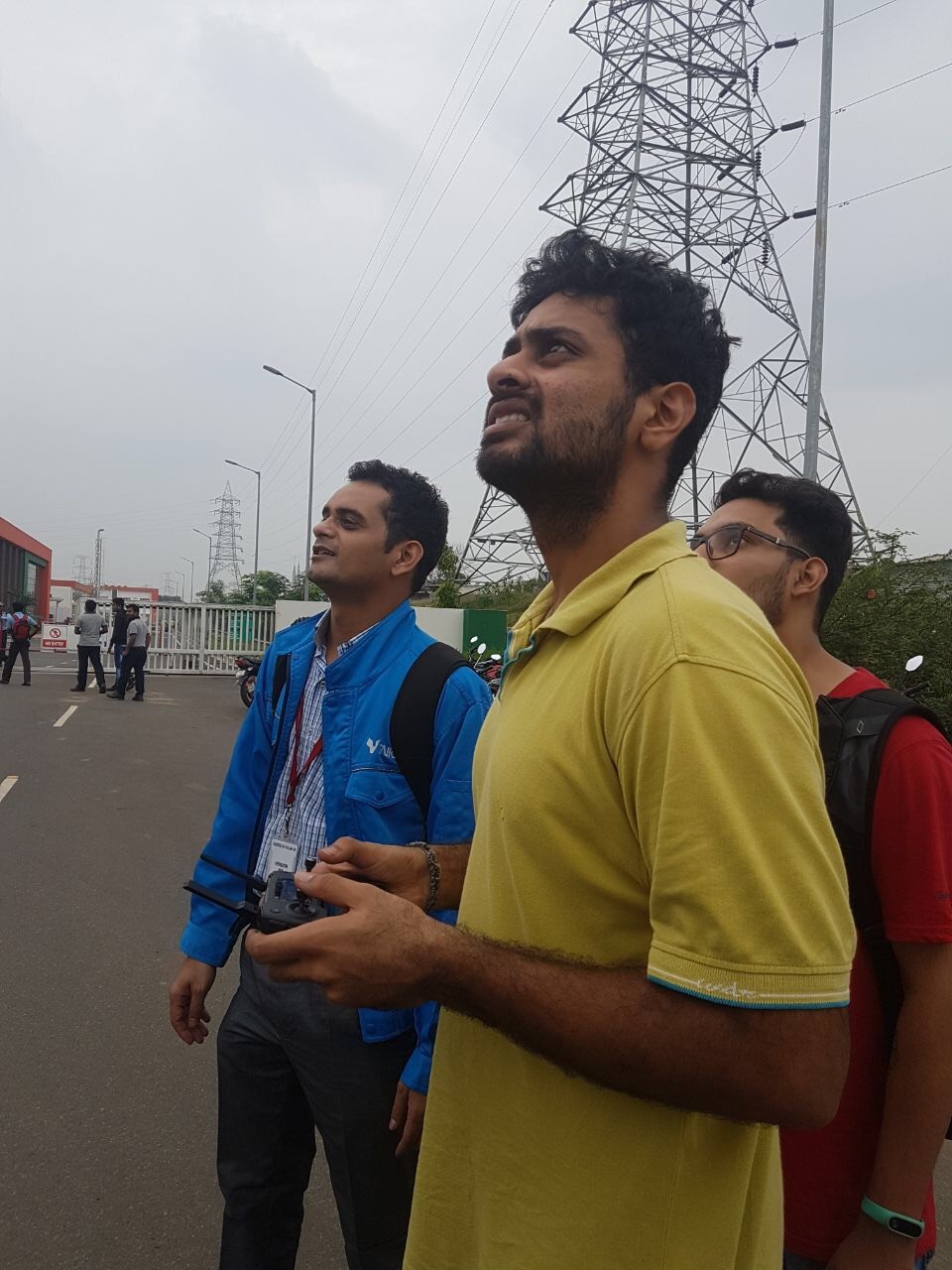
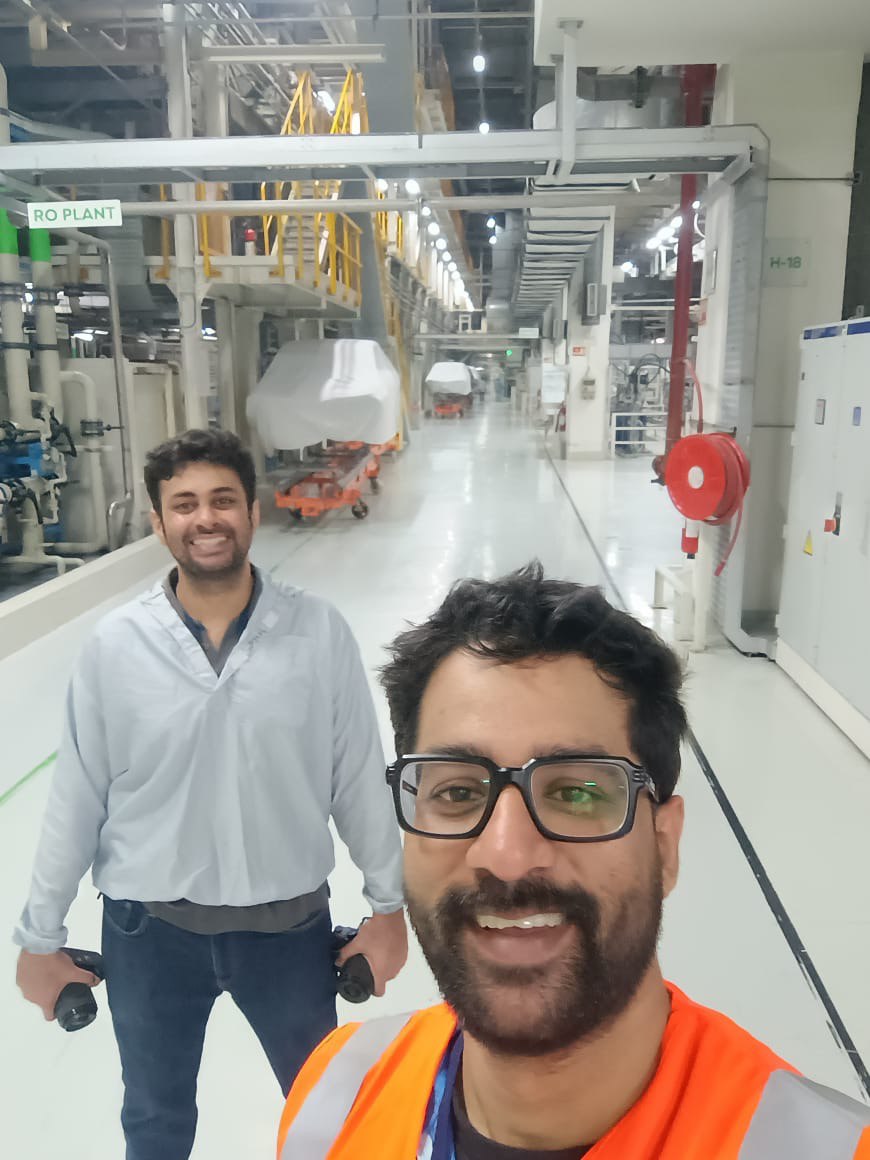
Operational Discipline. Nine synchronized capture systems were deployed across fixed, embedded, and mobile positions including elevated rigs, mounted systems, POV units, and structured time-lapse frameworks.
However, hardware scale was secondary to alignment discipline. Engineering workflow had priority at all times. While limited close-ups were coordinated during controlled moments, no core transition activity was delayed or staged for documentation purposes. During high-tension phases, the crew reduced footprint and adapted movement to supervisory directives. Access was maintained through restraint, not intrusion.
This engagement was architected before the shutdown began.
The documentation framework aligned directly with engineering milestones:
Safety drill and site action planning
Decommissioning
Robot removal
Structural modification
Installation
Software integration
Body teaching
Programming
Calibration
Dry runs
Final testing
Ramp-up validation
Capture logic followed engineering sequence not visual preference.
The objective was not coverage.
It was to translate a complex industrial transition into structured clarity for executive and technical stakeholders.
Operational Discipline. Nine synchronized capture systems were deployed across fixed, embedded, and mobile positions including elevated rigs, mounted systems, POV units, and structured time-lapse frameworks.
However, hardware scale was secondary to alignment discipline. Engineering workflow had priority at all times. While limited close-ups were coordinated during controlled moments, no core transition activity was delayed or staged for documentation purposes. During high-tension phases, the crew reduced footprint and adapted movement to supervisory directives. Access was maintained through restraint, not intrusion.
Communication Architecture & Delivery
Two structured films were commissioned:
3–5 minute executive overview
15-minute technical presentation film
Audience included:
German headquarters (internal leadership review)
Japanese automation partners (cross-border presentation & event deployment)
Sales and marketing divisions
Investors
Multinational reporting stakeholdersThe executive version prioritized scale compression and decision visibility
The technical version preserved chronological engineering integrity across all transition phases
Total project timeline: approximately 2.5 months from shutdown initiation to final submission
Nine synchronized footage streams required chronological engineering alignment
Milestone-based narrative structuring ensured clarity across phases
Phase validation mapping maintained accuracy of the transition lifecycle
Dual-format coherence ensured both films aligned despite different audience needs
Selective 3D visualization layers were integrated to clarify system transitions not fully visible through physical capture alone
Visualizations supported robotic replacement sequencing and installation-to-calibration progression
Process overlays enabled executive-level comprehension of complex engineering transitions
Structural transition simplification allowed non shop-floor stakeholders to understand system transformation with precision
Final films combined real-time industrial documentation, time-lapse compression, phase-structured narrative logic, and technical visualization overlays
Deliverables functioned as presentation-grade institutional assets, not merely records
Two structured films were commissioned:
3–5 minute executive overview
15-minute technical presentation film
Audience included:
German headquarters (internal leadership review)
Japanese automation partners (cross-border presentation & event deployment)
Sales and marketing divisions
Investors
Multinational reporting stakeholdersThe executive version prioritized scale compression and decision visibility
The technical version preserved chronological engineering integrity across all transition phases
Total project timeline: approximately 2.5 months from shutdown initiation to final submission
Nine synchronized footage streams required chronological engineering alignment
Milestone-based narrative structuring ensured clarity across phases
Phase validation mapping maintained accuracy of the transition lifecycle
Dual-format coherence ensured both films aligned despite different audience needs
Selective 3D visualization layers were integrated to clarify system transitions not fully visible through physical capture alone
Visualizations supported robotic replacement sequencing and installation-to-calibration progression
Process overlays enabled executive-level comprehension of complex engineering transitions
Structural transition simplification allowed non shop-floor stakeholders to understand system transformation with precision
Final films combined real-time industrial documentation, time-lapse compression, phase-structured narrative logic, and technical visualization overlays
Deliverables functioned as presentation-grade institutional assets, not merely records
[
WORKS
]
More Works.
Frequently asked questions.
[
FAQ
]
Answers to the things you’re probably wondering.

Still have questions?
send us an email.
Quick Reponse
Work with the same creatives each time — no handoffs, no friction.
A digital one-stop shop offering premium Framer & Figma templates, resources, and digital designs. Specializing in web design, we deliver stunning and functional UI/UX solutions for B2B and B2C brands looking to make a lasting impact.
The CustomAccordion component is designed to make it easier for users to organize content like FAQs. With this component, you don’t have to manually link each question and answer inside Framer. Instead, you can automatically generate as many questions and answers as you need by using a simple dropdown control—making it perfect for users of all experience levels.
Absolutely! With CustomAccordion, you have full control over design elements like the background color, border radius, fonts, icons, and more. This allows you to integrate the component seamlessly into your project while maintaining a consistent look with your overall design.
CustomAccordion is ideal for both beginners and experienced Framer users. If you’re not familiar with Framer’s inner workings, this component saves you time by automating the creation of questions and answers. For advanced users, it offers full customization options so you can tailor the design and functionality to meet your specific needs.
Yes, the CustomAccordion component is fully responsive and mobile-friendly. It works seamlessly on both desktop and mobile devices, ensuring that your content remains organized and easily accessible, no matter what platform your users are on.
Quick Reponse
Work with the same creatives each time — no handoffs, no friction.