Home
Works
Contact Us
About Us
Home
Works
Contact Us
About Us
Case Study 2
Industrial Robotics Division Film
Developed for a robotics and automation division, this film functioned as a presentation asset for investor briefings, trade exhibitions, and automotive OEM engagements. The objective was to communicate technical depth, scalability, and futuristic positioning without physically deploying full robotic cells or automotive production lines. The film needed to operate across boardrooms, exhibition environments, and international B2B meetings.
This was not a marketing short — it was a division-level communication instrument.
CLIENT
Little Black
YEAR
Little Black
SERVICE
Little Black
ROLE
Little Black
Challenge
Challenge
Full physical deployment of robotics infrastructure was commercially impractical for presentation purposes.
The film had to maintain engineering credibility while creating aspirational positioning.
Mechanical accuracy, material realism, and scale perception were critical for an expert audience.
Client alignment evolved during development, requiring adaptive pre-visualisation.
Failure would have risked technical misrepresentation and reduced confidence in division capabilities.
Full physical deployment of robotics infrastructure was commercially impractical for presentation purposes.
The film had to maintain engineering credibility while creating aspirational positioning.
Mechanical accuracy, material realism, and scale perception were critical for an expert audience.
Client alignment evolved during development, requiring adaptive pre-visualisation.
Failure would have risked technical misrepresentation and reduced confidence in division capabilities.
Full physical deployment of robotics infrastructure was commercially impractical for presentation purposes.
The film had to maintain engineering credibility while creating aspirational positioning.
Mechanical accuracy, material realism, and scale perception were critical for an expert audience.
Client alignment evolved during development, requiring adaptive pre-visualisation.
Failure would have risked technical misrepresentation and reduced confidence in division capabilities.
Approach
Approach
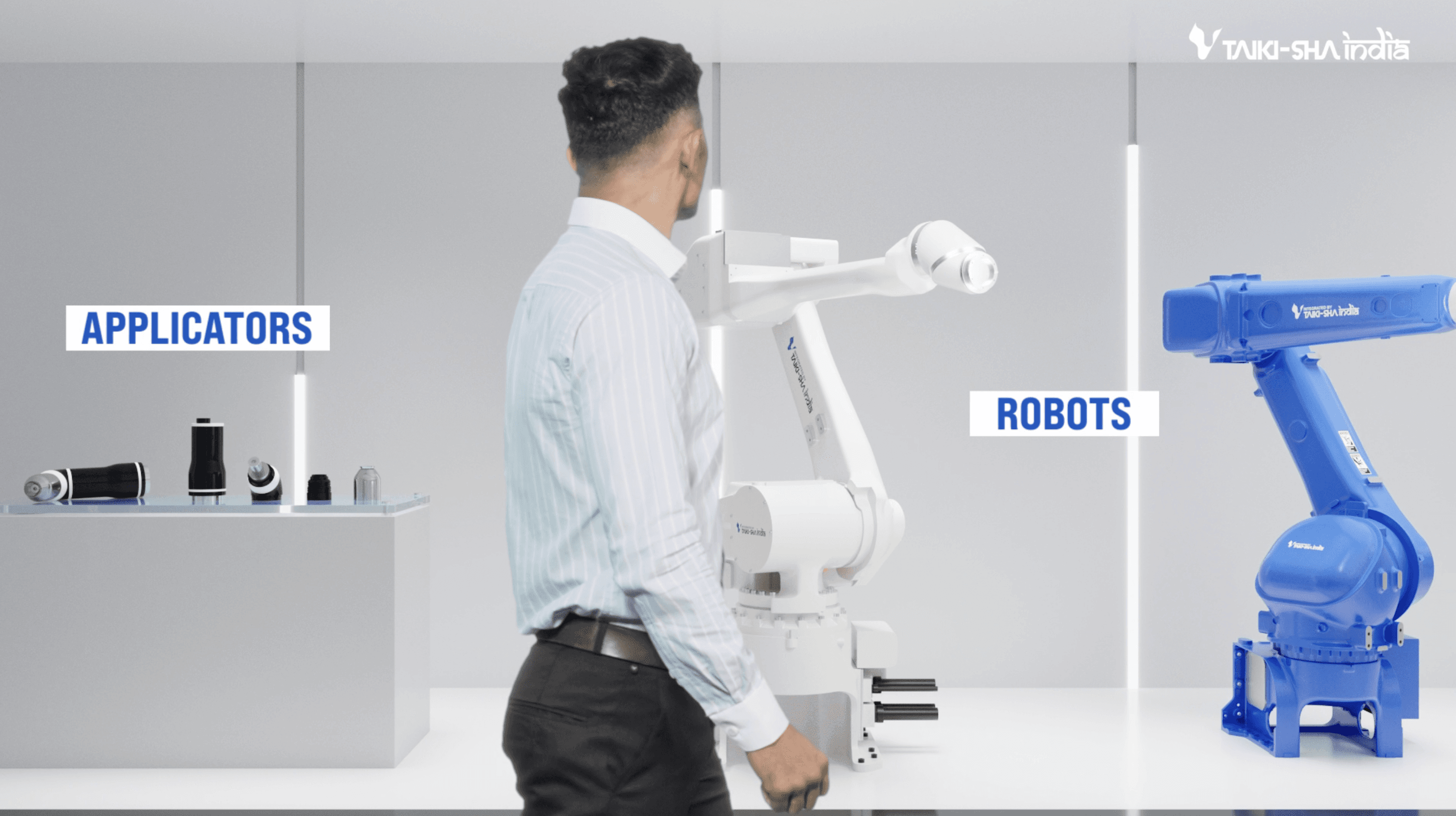
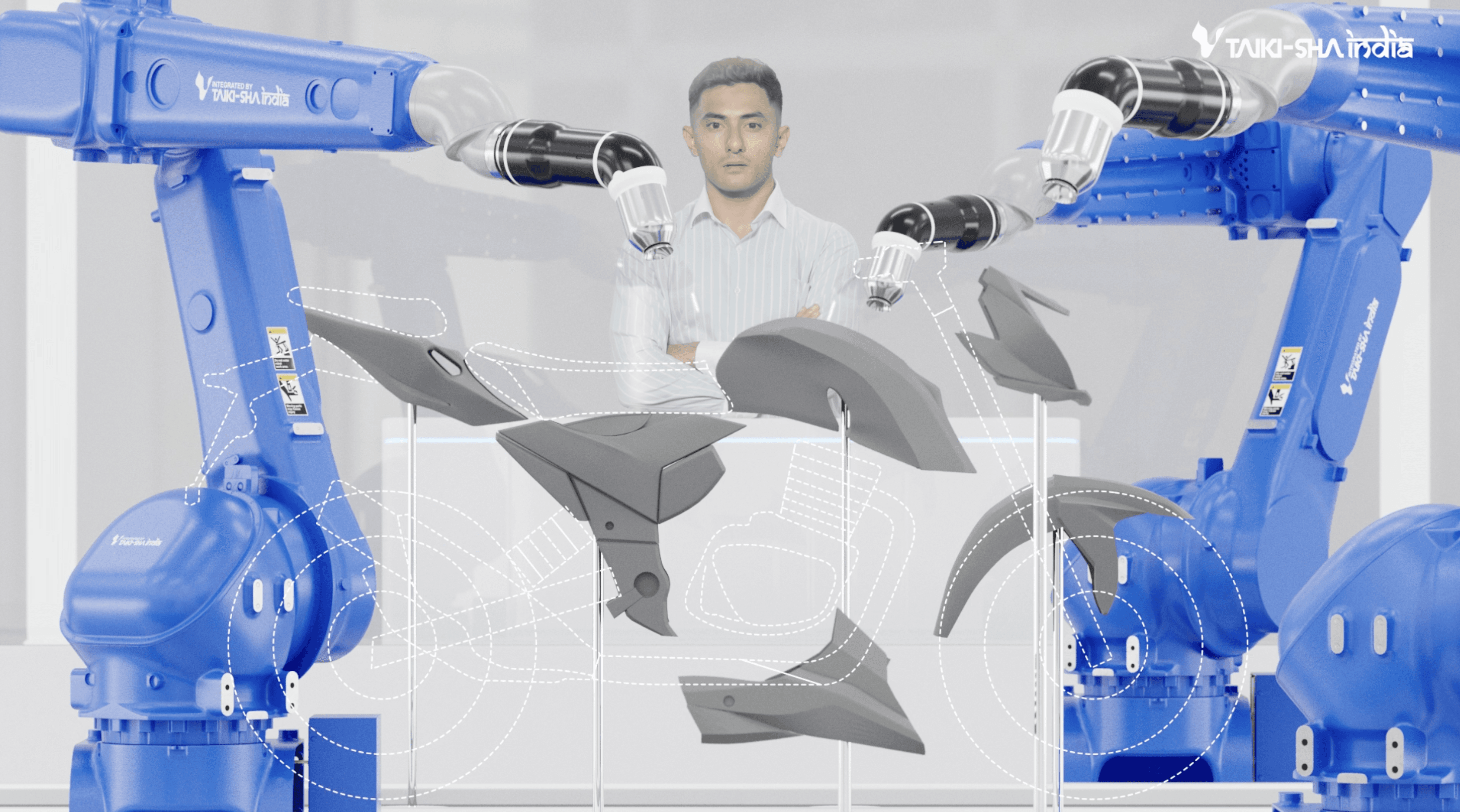
A hybrid framework combined live-action performance with CG robotic environments.
Robotic systems were developed from technical references and prior data, with rigging structured to replicate realistic articulation and operational sequencing. Mechanical movement logic was prioritised to ensure credibility for engineering audiences.
Instead of staging large physical deployments, environments were digitally constructed to control scale, lighting behaviour, and camera choreography. HDRI capture informed light replication, and material calibration ensured accurate metallic reflectivity and surface realism.
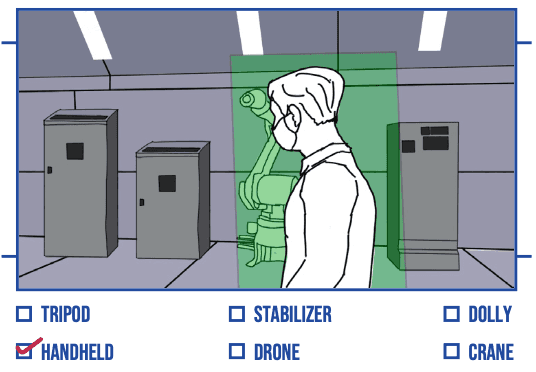
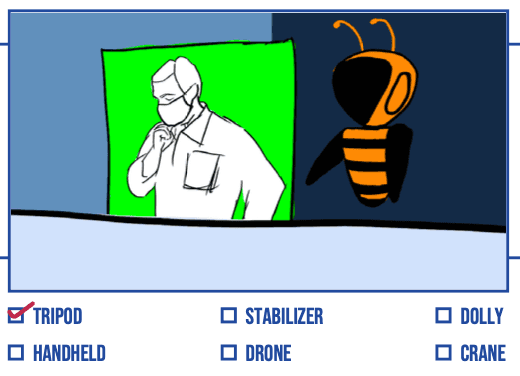
Chroma-shot live-action footage was composited into these engineered environments through structured tracking and integration workflows.
Rendering, compositing, and grading were executed within a disciplined pipeline to preserve continuity across layers.
Production operated with a compact team supported by staged client review cycles to maintain technical alignment without stalling progress.
The film presented robotics as an integrated automation ecosystem rather than isolated mechanical components.
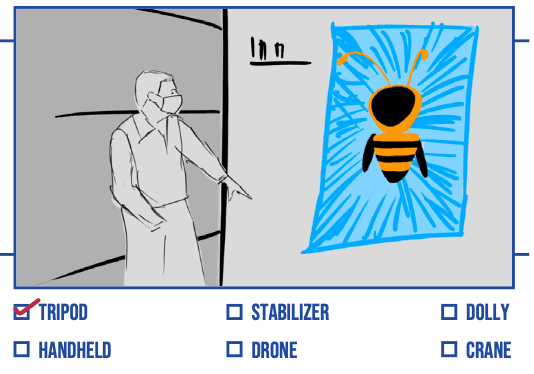
A hybrid framework combined live-action performance with CG robotic environments.
Robotic systems were developed from technical references and prior data, with rigging structured to replicate realistic articulation and operational sequencing. Mechanical movement logic was prioritised to ensure credibility for engineering audiences.
Instead of staging large physical deployments, environments were digitally constructed to control scale, lighting behaviour, and camera choreography. HDRI capture informed light replication, and material calibration ensured accurate metallic reflectivity and surface realism.
Chroma-shot live-action footage was composited into these engineered environments through structured tracking and integration workflows.
Rendering, compositing, and grading were executed within a disciplined pipeline to preserve continuity across layers.
Production operated with a compact team supported by staged client review cycles to maintain technical alignment without stalling progress.
The film presented robotics as an integrated automation ecosystem rather than isolated mechanical components.
A hybrid framework combined live-action performance with CG robotic environments.
Robotic systems were developed from technical references and prior data, with rigging structured to replicate realistic articulation and operational sequencing. Mechanical movement logic was prioritised to ensure credibility for engineering audiences.
Instead of staging large physical deployments, environments were digitally constructed to control scale, lighting behaviour, and camera choreography. HDRI capture informed light replication, and material calibration ensured accurate metallic reflectivity and surface realism.
Chroma-shot live-action footage was composited into these engineered environments through structured tracking and integration workflows.
Rendering, compositing, and grading were executed within a disciplined pipeline to preserve continuity across layers.
Production operated with a compact team supported by staged client review cycles to maintain technical alignment without stalling progress.
The film presented robotics as an integrated automation ecosystem rather than isolated mechanical components.


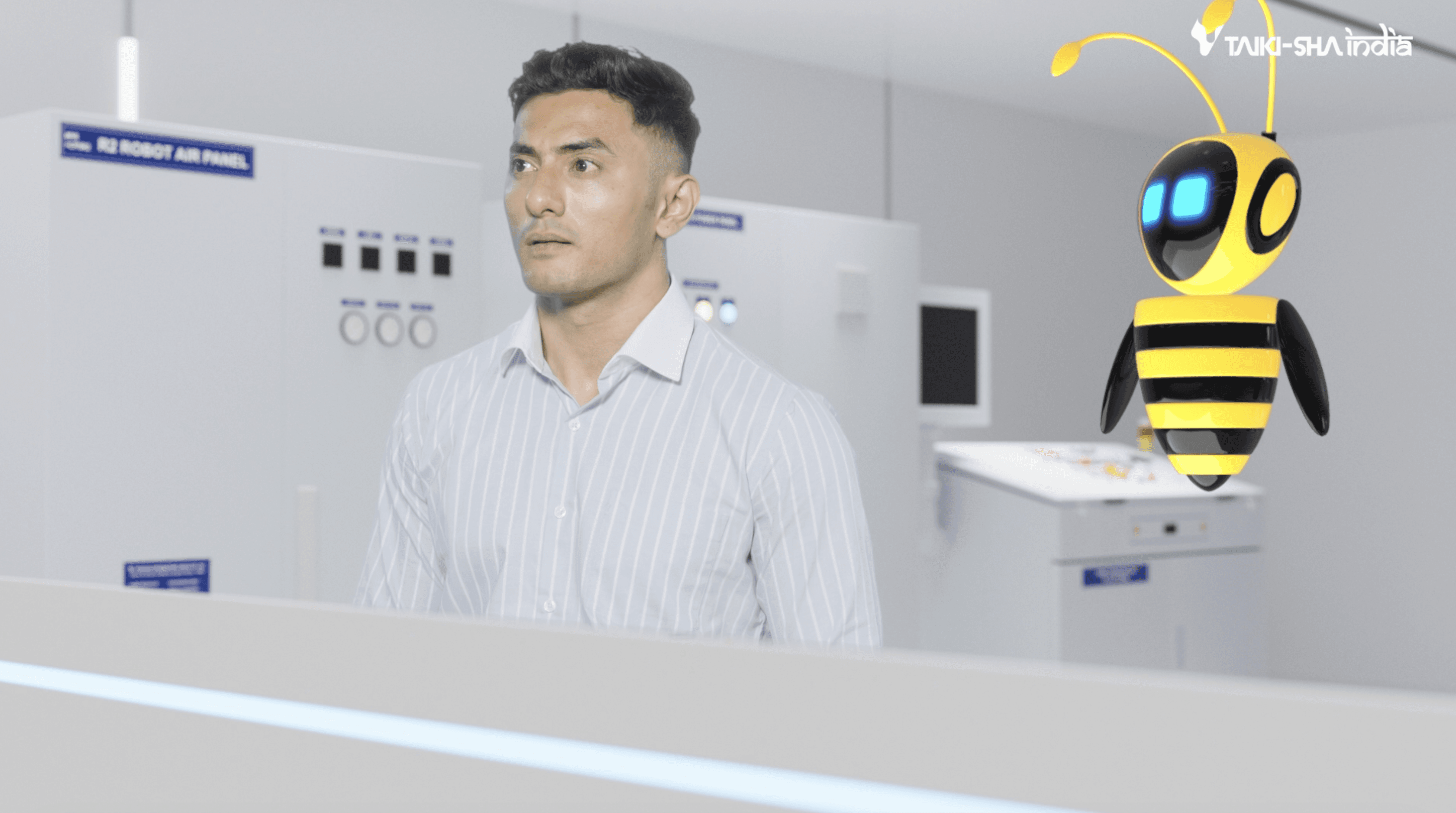
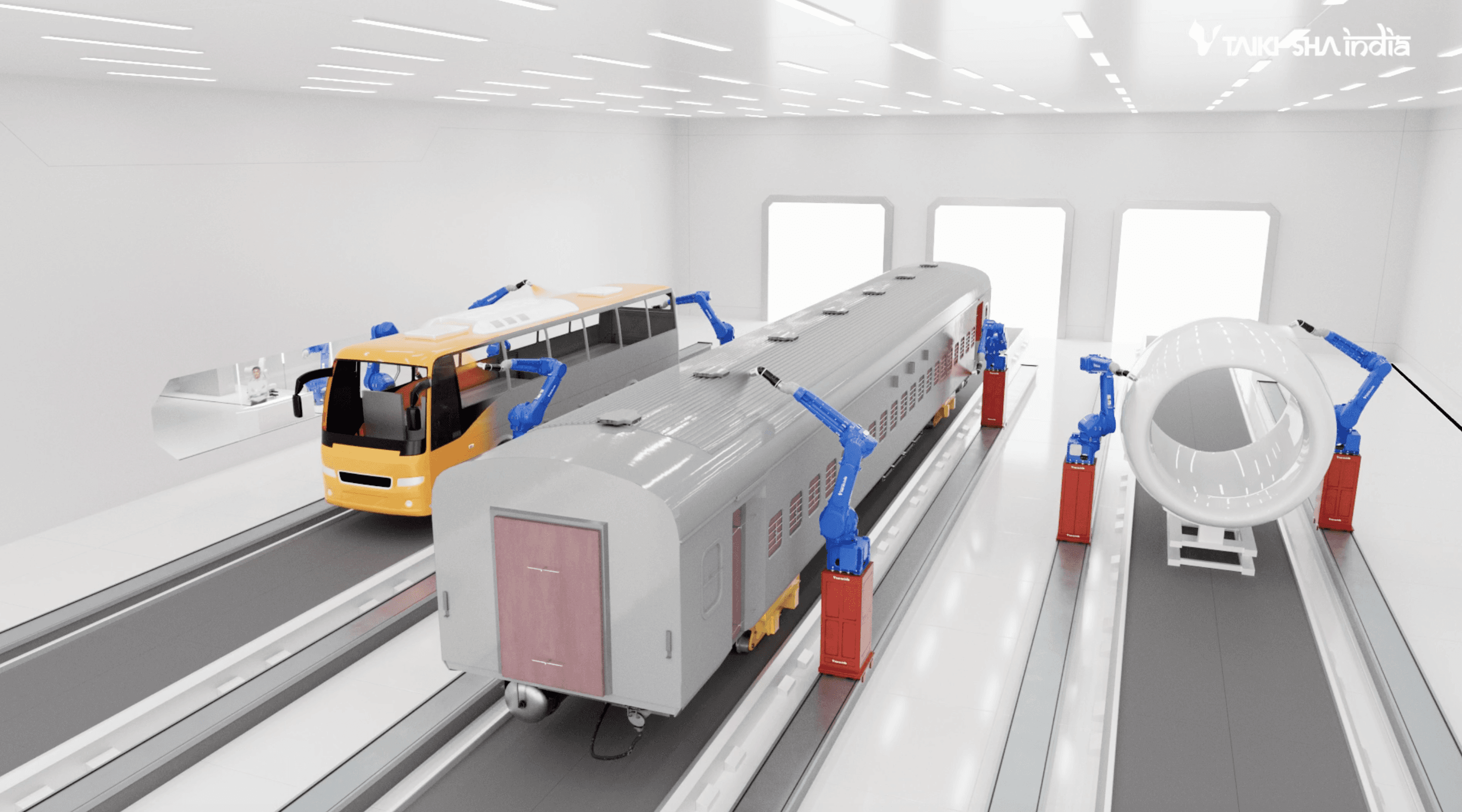


Execution Intelligence
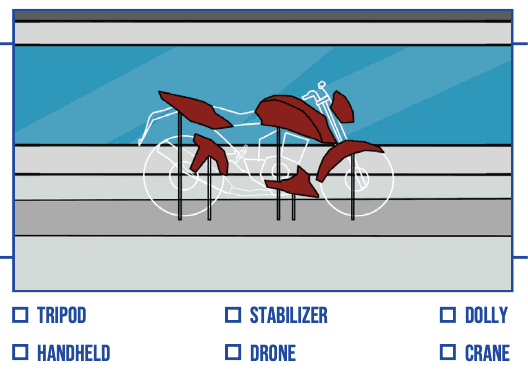
CAD-informed modelling reduced conceptual guesswork.
Mechanical rigging validated articulation logic before final animation.
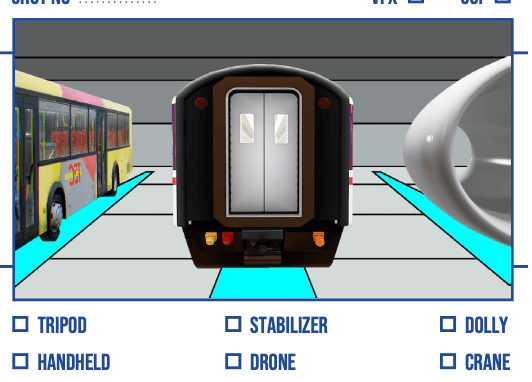
Pre-visualisation minimised production-day uncertainty.
HDRI-based lighting ensured compositing realism.
Structured review checkpoints maintained engineering accuracy.
Hybrid workflow eliminated need for large-scale physical demonstrations
CAD-informed modelling reduced conceptual guesswork.
Mechanical rigging validated articulation logic before final animation.
Pre-visualisation minimised production-day uncertainty.
HDRI-based lighting ensured compositing realism.
Structured review checkpoints maintained engineering accuracy.
Hybrid workflow eliminated need for large-scale physical demonstrations
CAD-informed modelling reduced conceptual guesswork.
Mechanical rigging validated articulation logic before final animation.
Pre-visualisation minimised production-day uncertainty.
HDRI-based lighting ensured compositing realism.
Structured review checkpoints maintained engineering accuracy.
Hybrid workflow eliminated need for large-scale physical demonstrations
[
WORKS
]
More Works.
Frequently asked questions.
[
FAQ
]
Answers to the things you’re probably wondering.

Still have questions?
send us an email.
Quick Reponse
Work with the same creatives each time — no handoffs, no friction.
A digital one-stop shop offering premium Framer & Figma templates, resources, and digital designs. Specializing in web design, we deliver stunning and functional UI/UX solutions for B2B and B2C brands looking to make a lasting impact.
The CustomAccordion component is designed to make it easier for users to organize content like FAQs. With this component, you don’t have to manually link each question and answer inside Framer. Instead, you can automatically generate as many questions and answers as you need by using a simple dropdown control—making it perfect for users of all experience levels.
Absolutely! With CustomAccordion, you have full control over design elements like the background color, border radius, fonts, icons, and more. This allows you to integrate the component seamlessly into your project while maintaining a consistent look with your overall design.
CustomAccordion is ideal for both beginners and experienced Framer users. If you’re not familiar with Framer’s inner workings, this component saves you time by automating the creation of questions and answers. For advanced users, it offers full customization options so you can tailor the design and functionality to meet your specific needs.
Yes, the CustomAccordion component is fully responsive and mobile-friendly. It works seamlessly on both desktop and mobile devices, ensuring that your content remains organized and easily accessible, no matter what platform your users are on.
Quick Reponse
Work with the same creatives each time — no handoffs, no friction.

